Automatic Hydraulic Press System
This is my Multidisciplinary Senior Design project at RIT. The goal is to convert a manual 24 ton lab pellet press to automatic operation, to assist researchers working on solid state battery technology. Another goal of the project is to find process improvements for the pellet pressing step, with the final goal of constructing a functional solid state coin cell battery. The total budget for this project was $2000.
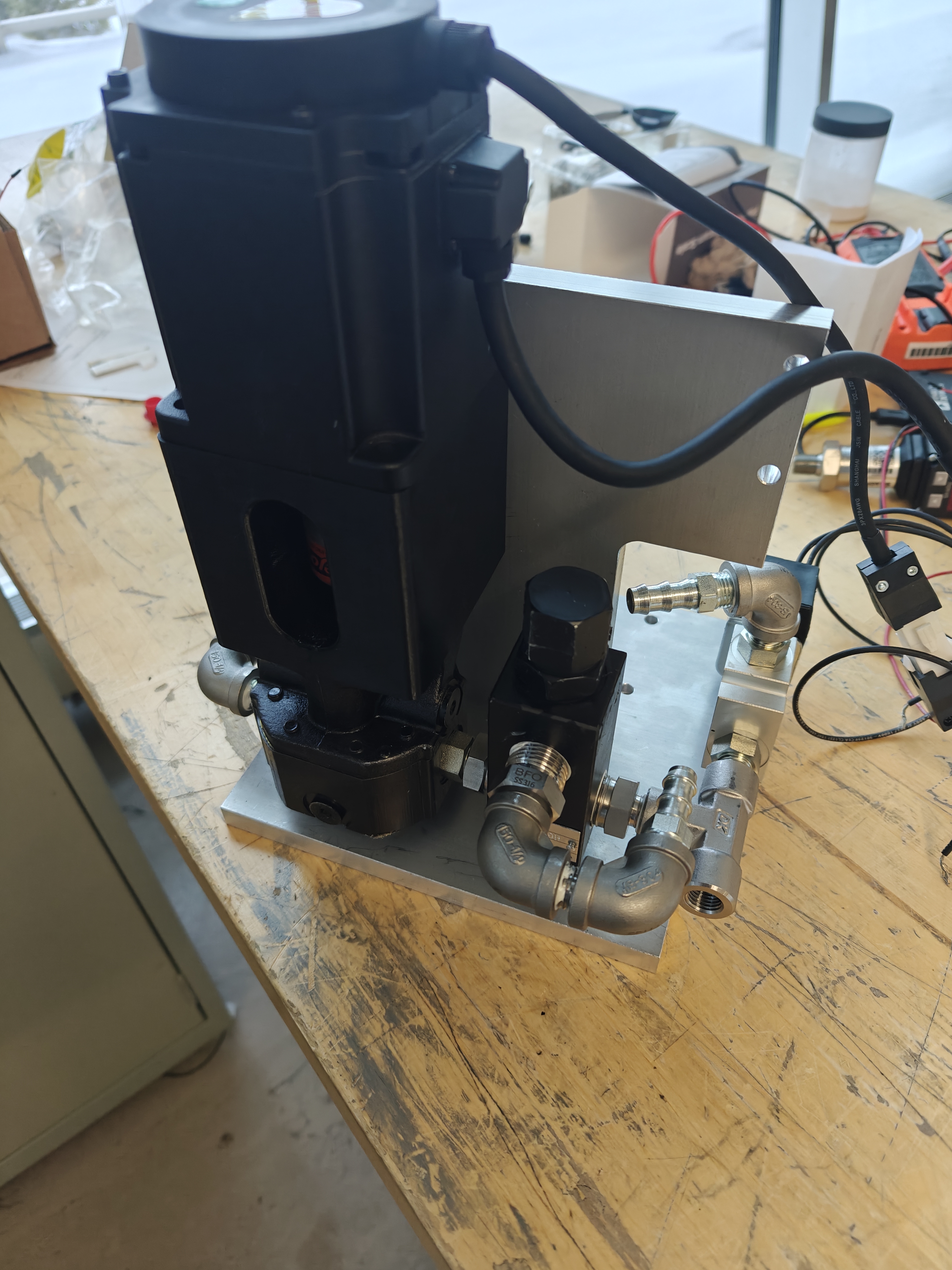
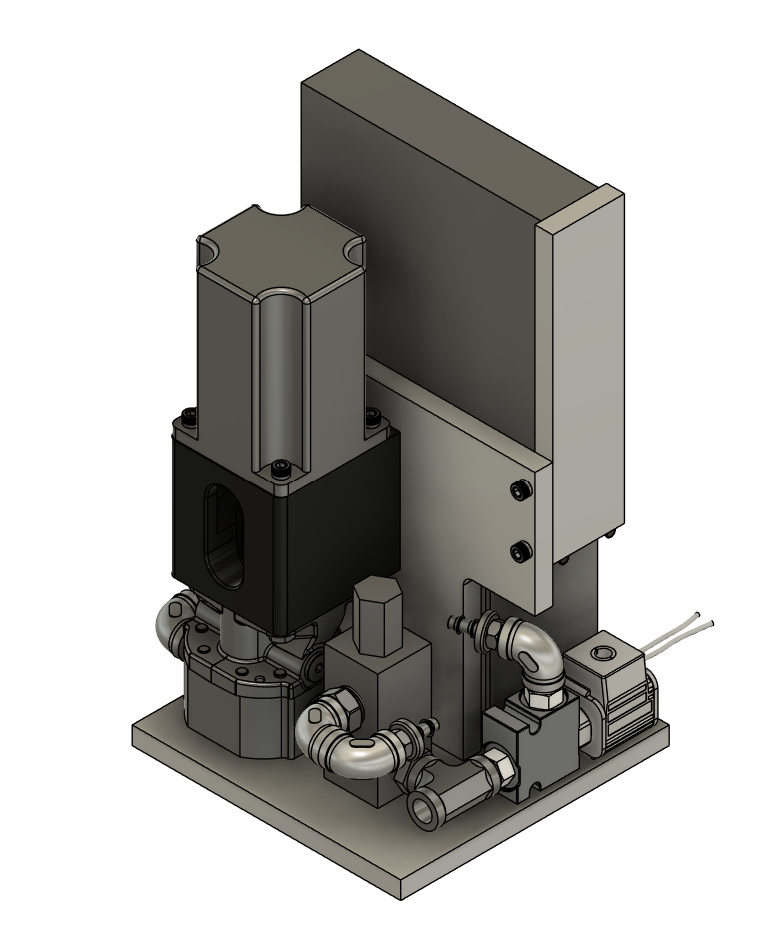
Figure 1: Final assembly of Hydraulic Power Unit.
Hydraulic Power Unit Design
The hydraulic power unit pressurizes hydraulic fluid to a set pressure and sends it to the press. A pressure transducer reads the pressure of the hydraulic fluid going into the press, and a servo-driven hydraulic gear pump adjusts the pressure. It is controlled by a closed loop control system running on an ESP32-S6 microcontroller. All fittings and components are rated to at least 3000 psi, which is double the maximum pressure we would need for the press. There is also an emergency pressure relief valve which is adjusted to 1500 psi, to make the system safer.
In the first semester of MSD, I worked on designing the hydraulic power unit in Fusion 360 and creating engineering drawings for manufacturing. Examples of drawings are shown in the gallery below. Now, I am currently building the power unit and will test and troubleshoot it before the end of the semester.
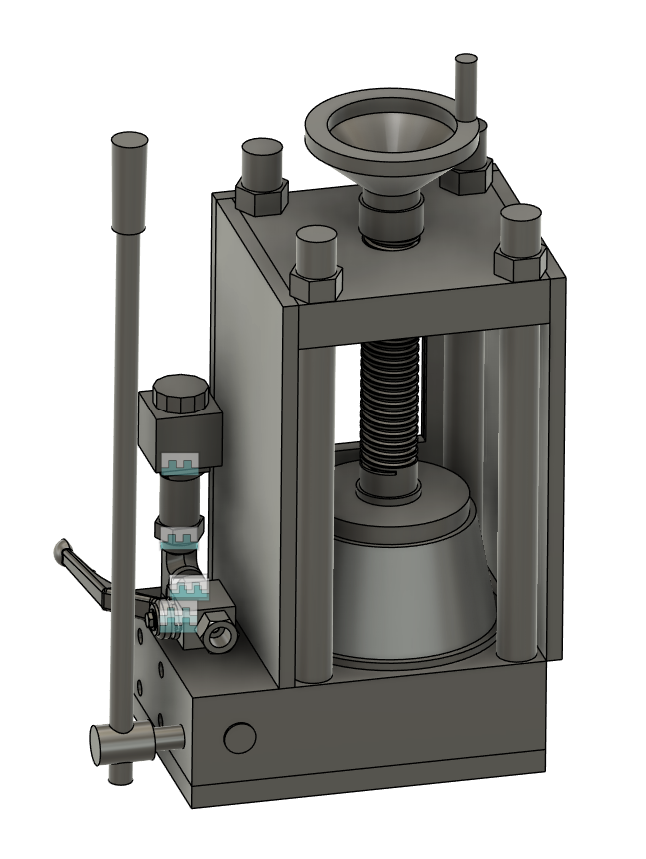
Figure 2: Hydraulic Pellet Press Modifications.
Hydraulic Pellet Press Modifications
We were provided an across international MP42A hydraulic pellet press for use in this project. It had a manually operated hydraulic pump and an analog pressure gage to determine the pressure on the pellet. The main modifications I made were adding an electronic pressure transducer and a connection to the hydraulic power unit. There is a manual shut off valve between the press and the power unit so that the press can still be used manually if desired.
Video 1: Manual Operation of Press.
Manual Operation of Press
This is the current process for using the press. The operator must put in the pellet mold and pump the handle to get the required pressure on the analog pressure gage. The press is normally located in a sealed argon chamber to protect the solid state battery materials, which further complicates its use. Our project will make the process significantly easier and less labor intensive for the lab assistants.